
Grantee Q&A: invest in relationships first to deliver landscape-scale nature restoration

About the Tees-Swale: Naturally Connected project
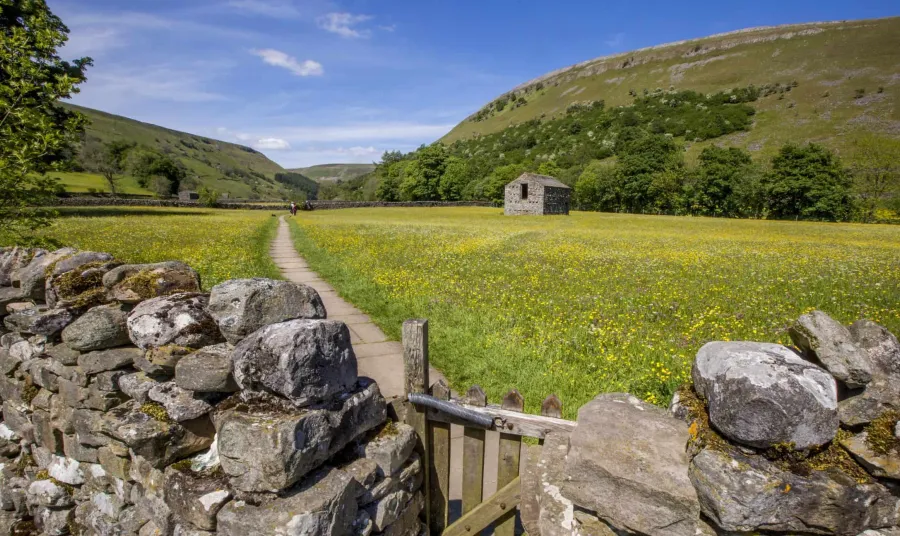
The North Pennines National Landscape team and the Yorkshire Dales National Park Authority collaborated on restoring the natural heritage of a 845km2 landscape across Teesdale and Swaledale. Working with thousands of volunteers, young people, landowners and farmers, the project enhanced habitats from hay meadows and hedgerows to rivers and peatland.
What would you recommend organisations spend more time on when developing their application?
Keep the big picture in mind throughout the application process. Be clear about the change you want to achieve. Agree long-term goals early and use them to inform project planning. A Theory of Change can help maintain clarity of purpose.
Talk to the people you hope to involve from the start. Develop ideas together rather than assuming your plans will meet their needs.
What tips do you have for juggling reporting to multiple funders?
Agree a shared set of outputs and outcomes across funders and create recording systems that captures the information all funders need. This will save time later and make reporting much more straightforward.
Take plenty of photographs. Record reflections and personal stories as you go. These help bring reporting to life.
What do you know now that you wish you’d known before the project began?
We now have a deeper understanding of the interests, needs and aspirations of farmers and land managers working across this landscape. Building these connections takes time and effort – there’s no shortcut.
We have also been reminded that it is impossible to plan for every challenge you will face in a multi-year project. Building flexibility into delivery plans is key.
What did you consider when creating and running activities to appeal to people who might feel out of place in upland landscapes?
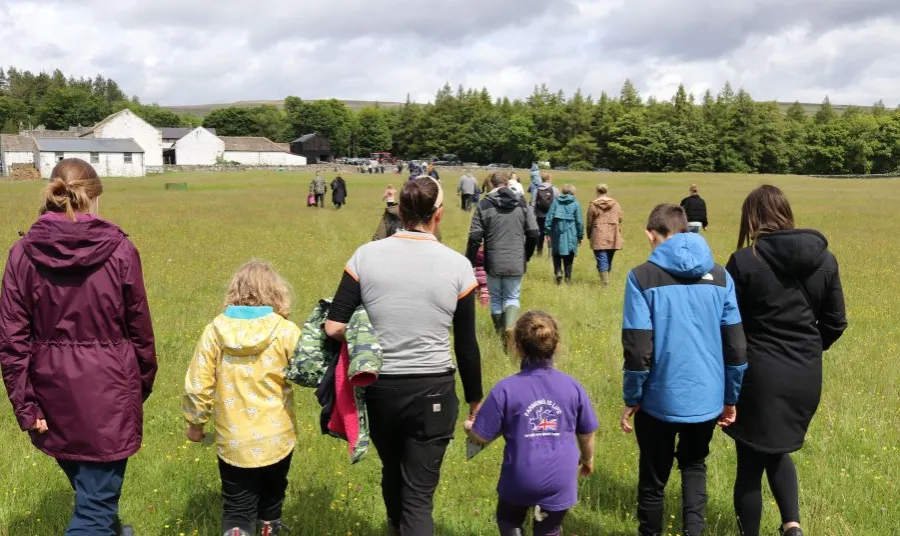
We developed engagement plans based on different needs and interests, and took time to understand the perspective of the people we wanted to engage. We worked together with target audiences to understand barriers to participation and find practical solutions. These included support with transport, equipment, bespoke activities and often meeting for sessions at group venues before going out into the landscape.
What can other organisations learn from how this project approached restoring nature at landscape scale?
Landscape connections obviously exist regardless of administrative boundaries. The North Pennines National Landscape team and the Yorkshire Dales National Park Authority embraced the opportunity to lead the programme together, spanning two local authorities and two protected landscapes.
We built the programme on the understanding that co-creating with farmers and land managers is vital when it comes to achieving successful landscape-scale change.
What did you learn about making lasting change to how people work the land to make space for nature?
You cannot expect everyone to be starting from the same point or to share the same views from the beginning. Farming and Nature Officers had the time to get to know farming people and their land. They were able to have open and honest discussions about where farms could do more for nature and, where needed, support with delivery.
Throughout, we recognised and celebrated the skills and knowledge of the people who live and work in the landscape. Farmers and land managers shared their experiences with each other through farm visits, walk-and-talks and demonstrations.
How will you continue the legacy of this project?
The legacy is feeding into the North Pennines Landscape Connections programme.
More broadly, the legacy lies in the relationships that have been created and strengthened, including those between organisations, farmers and land managers. It also lives on through a deeper connection between people and the landscape.
We will continue to nurture and build on these relationships, especially our partnership with the Yorkshire Dales National Park Authority. This will create opportunities for further collaboration across these treasured upland landscapes into the future.
This is part of a series of Q&As with successful grantees – helping to demystify the project application and delivery process and share experience across the sector.


