

The Durham coastline of magnesian limestone grasslands is an important habitat for rare moths, butterflies and wintering birds. However, decades of industrial activity followed by unsuitable grassland management has left many sites fragmented and in poor condition.
Coastal Grasslands Reconnected was awarded a Species Survival Fund grant of £975,150 to improve the coastal corridor for wildlife. It also aimed to involve local people to provide opportunities for them to connect with nature.
A place for people to enjoy nature
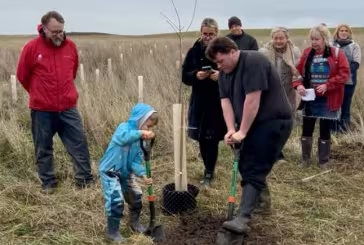
By purchasing 34 hectares of land, the project created Tina's Haven – a new nature reserve on the edge of Horden.
Named in memory of Tina Robson who lost her life to trauma-based addiction, it was designed to be an inclusive green space. Local residents, recovery groups, community organisations and schools took part in site creation activities and helped plant 21,000 trees.
One participant said: “Bringing the [people we support] to Tina’s Haven has been incredibly powerful. I think tree planting and activities outdoors like this gives them a simple way to be outdoors, work together and also feel part of something positive.”
Linking habitats to support species recovery
The new nature reserve has added an important piece to the habitat corridor running between Nose’s Point, Blackhall, Horden and Easington.
Priority species benefiting from this more joined-up landscape include the chalk carpet moth, cistus forester moth and glow worm. Wintering birds also benefit from the opportunity to create high-tide roosts.
The project was led by Durham County Council in partnership with the National Trust and Durham Wildlife Trust. Staff and rangers now trained in botanical surveying, drone operation, GIS and citizen science will continue to monitor and manage the sites beyond the life of the project.
The Species Survival Fund was a £25million two-year programme, delivered by us on behalf of the Department for Environment, Food and Rural Affairs (Defra). It supported 20 projects across England to create and restore wildlife-rich habitats and strengthen people's connection with nature. Find out more about the achievements of the programme.


