
North Korean escapees preserve heritage through storytelling

New Malden in Kingston upon Thames is known for its thriving Korean community. But alongside the area’s wealth of South Korean culture it’s also home to the largest community of North Korean escapees in Europe.
Connect: North Korea is a charity that works alongside escapees to rebuild their lives in the UK. With our £187,143 grant, it’s recording heritage that often goes unheard by supporting a group of North Koreans to preserve traditions and learn memoir writing and oral history skills.
Participants will produce an anthology of memories of living in the UK, the journey from North Korea and what life was like before escaping.
Keeping North Korean heritage alive
Michael Glendinning, CEO at Connect: North Korea, says: “We've got an aging population. There's not much written or spoken heritage being recorded. There's a real risk that it's lost if it's not done now.”
Yejin Lee, Head of Client Experience, says much of the community’s heritage has been lost already. “We have a lot of heritage, but we leave most of it behind when we escape. We’ve lost family, all the memories that we had. Good memories.”
While it shares some elements with South Korea, North Korea has a distinct cultural heritage. For North Korean escapees in the UK, preserving that heritage often starts with food and language.
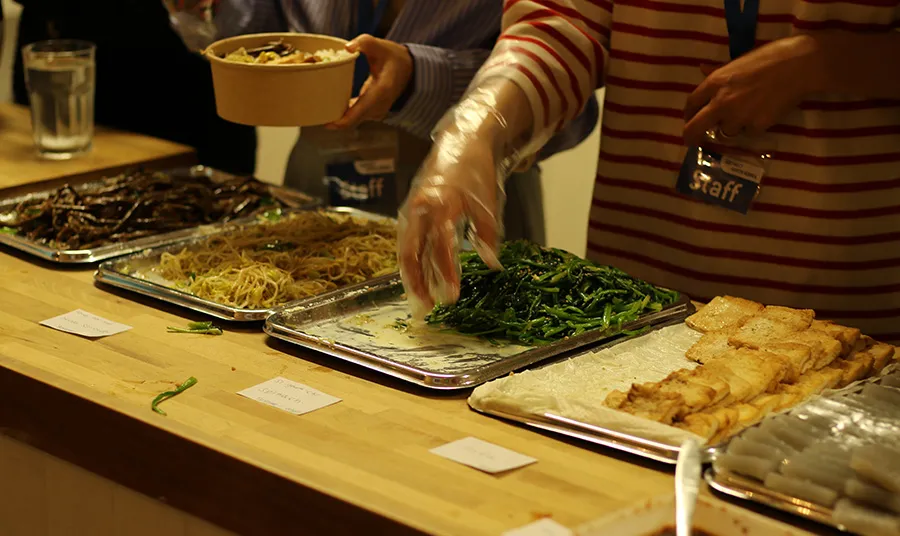
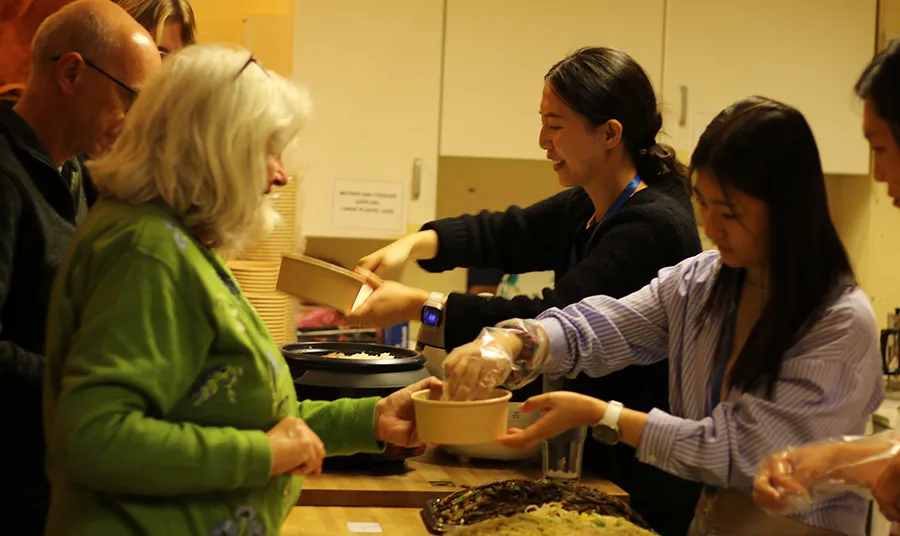
Yejin says: “Food is very important. South Korean and North Korean food is very similar, but we have our own respective traditions. So we have events where we cook North Korean traditional food.
“And language. We’re the only charity in the UK that’s helping North Korean escapees in their own language. So we’re keeping it constantly in use.”
Building trust takes time
Like Yejin, most of the charity’s staff have lived experience of North Korea. This first-hand perspective is key to making sure people feel safe and comfortable enough to engage.
"You don’t want to share your stories somewhere where you don’t trust people. Our staff members are part of the community. We live in the same area. We understand because we’ve been through the same thing. It puts people at ease and they want to open up."
But, Michael says, it takes time: “We’ve learned that people do want to share their stories, but it’s a difficult process and it’s not going to be something that’s done in one session. It’s going to be a long-term engagement.
“You get lots of journalists and students coming in and wanting to tell stories about North Koreans. They don’t realise it takes years and years to build trust."
Supporting people to share safely
Many of the memories that participants share are traumatic, so strong mental health provision is crucial.
Yejin and the outreach team have completed mental health training so they can spot the signs when someone needs support.
“It’s not easy to talk about because of the trauma we’ve been through when we escape the country. People can struggle after speaking about it. The training has helped a lot so we can understand mental health and act fast.”
The organisation also has a robust referral system for mental health support if people need it, Michael says. “People aren’t coming in here and giving their story and then being expected to go off and deal with whatever the fallout of that is themselves.”
Understanding through storytelling
For Yejin, there is power in telling your own story: “Talking about what happened back there and what happened during escape is something we’re dreading. But talking about it and writing about it can also free people.
“I think it’ll be amazing to write about our history and share it so second-generation North Koreans and wider UK communities can understand what we’ve been through.”
Michael explains that the project is particularly significant because: “Storytelling around North Korean history and culture and tradition is very governed by the country. So having this opportunity to tell their own story and build a wider understanding of North Korean heritage is a real draw for people.”
It’s also helping the community to connect and rebuild. Yejin says: “This project, genuinely, it brings people together and we find half the time, through sharing their stories, people get healed.”
Running your own oral history project? Our good practice guidance has advice on taking participants’ wellbeing into account.


