
At-risk heritage sites saved thanks to National Lottery funding

Historic England has published its Heritage at Risk Register 2026, giving a snapshot of the health of England’s historic buildings and places.
This year, 85 heritage sites have been rescued and their futures secured. Many of them have been revived with the help and commitment of local people, communities, charities and owners.
The following sites have been restored and revived with our support, thanks to National Lottery players.
Explore some of the heritage sites saved
St Peter’s Church in Forncett, South Norfolk
St Peter’s is a 10th-century church most notable for its impressive Saxon round tower. The project was awarded £580,000 to urgently repair weather-induced damage and develop activities and resources with the community to celebrate the church’s architectural and ecological heritage.
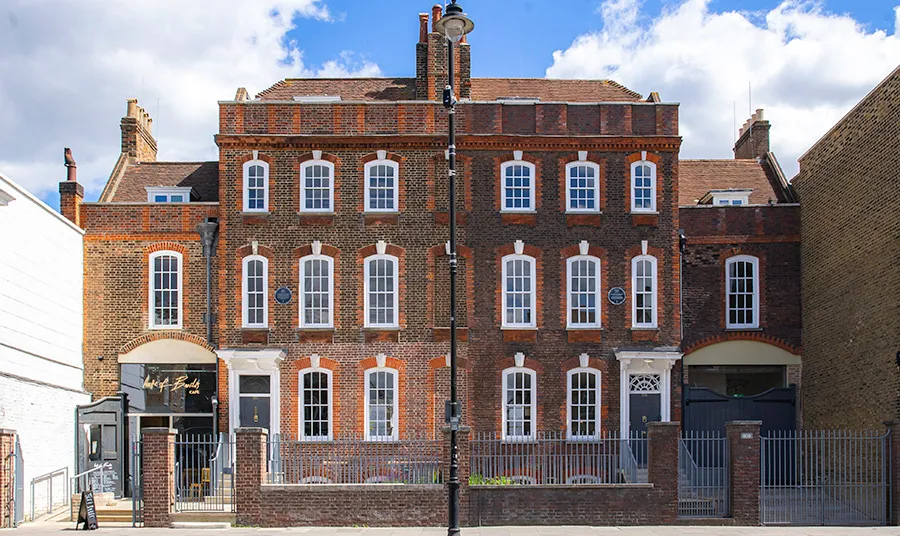
810 Tottenham High Road, London
In Haringey, part of a pair of Georgian terraced houses has been saved from dereliction. Awarded £2.6million from us, it is now a creative hub featuring artists’ studios, galleries and a café run by Sarabande Foundation, which was established by the late Lee Alexander McQueen.
Crystal Palace Italian Terraces, London
Almost exactly 90 years after the Crystal Palace burned down, the Italian Terraces that once led up to the Palace have been saved. We contributed £5m to the restoration project, which included restoration of the stonework, improved drainage, planting of wildflower meadows, two new step-free routes and the reinstatement of staircases.
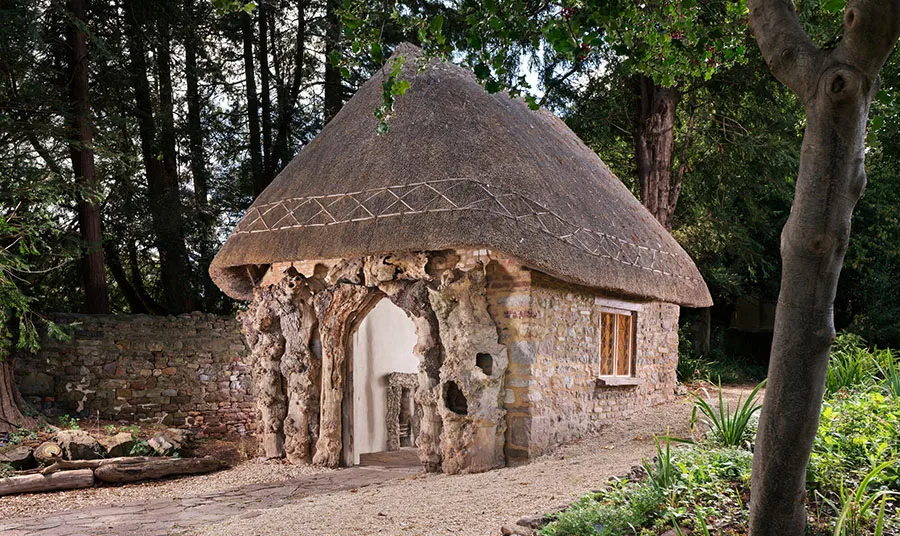
Dr Jenner’s Hut, Gloucestershire
The Temple of Vaccinia at Dr Jenner’s House in Berkeley, recognised as the birthplace of vaccination, received a £221,508 grant following its addition to the register in 2025. The project carried out critical repair work to its thatched roof, rear wall and chimney and the site reopened to the public in May 2026.
Ironbridge Gorge Museum, Shropshire
Grade II* listed Severn Wharf Building is a large former warehouse on the north bank of the River Severn, which is now part of the Ironbridge Gorge Museum – a UNESCO World Heritage Site. Built by the Coalbrookdale Company in the Gothick style between 1838 and 1847, it suffered flood damage in 2020. Following a grant of £9.9m from the National Heritage Memorial Fund, the building has been repaired and reopened and is now managed by the National Trust.
The register helps raise awareness of heritage sites to ensure they can be safeguarded for the future. Over the past year, 197 sites have been added to the register, as Historic England believes they are at risk of neglect, decay or inappropriate development.
Eilish McGuinness, our Chief Executive, said: "These are inspiring examples of what can be achieved when organisations and communities come together to save the heritage that matters to their community. Their removal from the Heritage at Risk Register is a testament to the dedication of everyone involved in these projects. The benefits of these will be felt for generations to come."
We’re the largest funder for the UK’s heritage
Since we were established in 1994, we've awarded over £9.9billion of National Lottery and other funding to more than 54,000 projects across the UK.
If you have an idea for a heritage project, take a look at what we fund.


